
Aging in Place: Home Safety Changes That Help Seniors Stay Home
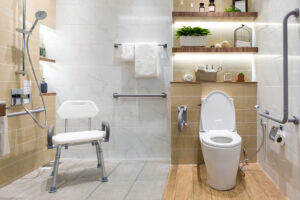
Senior home care supports safer living spaces and greater independence for seniors.
Most older adults want to stay in their own homes as they age. But a house that worked well at 50 may present hazards at 80. Steep stairs, slippery tubs, and dim hallways can turn everyday activities into risks. The good news is that practical changes can make many homes safer. Home modifications and senior home care often work together to help a parent stay home safely.
Start With a Safety Walk-Through
Walk through your parent’s home with fresh eyes, ideally with your parent. Look for hazards in each room and consider how your parent moves throughout the day. Where do they spend the most time? Which tasks are hardest? Where have they tripped or felt unsteady?
An occupational therapist can do a professional home safety evaluation and recommend specific changes. Ask your parent’s doctor for a referral.
Prevent Falls
Falls are a leading cause of injury for older adults. Simple changes can reduce the risk:
- Remove throw rugs or secure them with non-slip backing
- Clear clutter, cords, and furniture from walkways
- Add handrails on both sides of stairways
- Improve lighting in hallways, stairways, and entrances
- Use night lights between the bedroom and bathroom
- Keep frequently used items within easy reach
Encourage your parent to wear sturdy, well-fitting shoes with non-slip soles at home rather than socks or loose slippers.
Make the Bathroom Safer
Bathrooms are one of the most common places for falls. Install grab bars near the toilet and in the shower or tub, since towel bars aren’t designed to hold body weight. Add non-slip mats or strips in the tub and on the floor. A shower chair and handheld showerhead allow your parent to bathe while seated. A raised toilet seat makes sitting and standing easier. Set the water heater to 120 degrees Fahrenheit or lower to prevent scalding, and choose lever-style faucets that are easy to turn.
For bigger projects, a walk-in shower or a tub cut-out can remove the need to step over a high tub wall.
Update the Kitchen
In the kitchen, move commonly used dishes, pots, and food to lower shelves to avoid climbing. Get rid of step stools if your parent tends to use them, and replace them with a sturdy reacher tool for lightweight items up high. Consider appliances with automatic shut-off features. Make sure smoke detectors work, and a fire extinguisher is accessible. Good lighting over counters and the stove helps with safe food preparation.
Rethink the Bedroom and Living Areas
If stairs are a challenge, consider setting up a bedroom on the main floor. Make sure the bed is at a comfortable height for sitting and standing. Chairs with armrests and firm cushions are easier to get out of than low, soft sofas. Arrange furniture to create clear paths.
Think About Entrances
Entrances can be tricky. Add railings to outdoor steps, improve outdoor lighting, and keep walkways clear of ice and leaves. If your parent uses a walker or wheelchair, they may need a ramp. Lever-style door handles are easier for arthritic hands than round knobs.
Use Technology Wisely
Technology can add a layer of safety. Medical alert devices let your parent call for help after a fall. Smart doorbells and video cameras at entrances can help with security. Automatic lighting, smart thermostats, and voice-controlled assistants can make daily tasks easier. Medication dispensers with alarms can help with routines.
Choose technology your parent is comfortable using, and make sure they understand how it works.
Plan for the Future, Not Only Today
If your parent is renovating anyway, think ahead. Wider doorways, a no-step entry, and a first-floor bathroom with a curbless shower can help your parent stay home even if they later need a walker or wheelchair. These features, sometimes called universal design, are easier and cheaper to add during a planned remodel than in a hurry after a hospital stay.
A contractor certified in aging-in-place remodeling can suggest options that fit the house and the budget. Even if your parent is healthy now, a few forward-looking changes can buy years of independence.
Paying for Modifications
Many home modifications are inexpensive, while others, like ramps or bathroom remodels, can be costly. Grab bars, night lights, and non-slip mats often cost less than a single emergency room visit.
Some Medicaid waiver programs, VA programs, and local nonprofits help pay for home modifications. Your local Area Agency on Aging can point you to resources in your area.
When Modifications Aren’t Enough
Home modifications can do a lot, but they can’t replace a helping hand. If your parent needs help with bathing, dressing, meals, or getting around the house, senior home care providers can help. Caregivers can also spot new hazards and ensure safety equipment is used.
Combining a safer home with senior home care gives your parent the best chance to age in place. If you’re making changes to your parent’s home, consider an in-home assessment to see how senior home care could support their independence.
If you or an aging loved one is considering Senior Home Care in McLean, VA, please contact the caring staff at Butters Home Health Care today. (703) 371-2113